

The Ask
When I joined Infomedia’s team, we had a simple newsletter linking to blogs posted the month before. This approach was a good way to reuse content and promote the blog, but it lacked the focus and personality that would really make it worth the time and effort.
After sitting down with the sales and marketing teams, we came up with these goals:
- Replace monthly sales email with a more consistent and engaging touchpoint
- Feel more personal, like a direct conversation with clients and potential clients
- Be truly informative, offering readers something they could use
The Result
In less than three years, we saw dramatic improvements in the metrics:
- Open rate: 116% increase | From 17.3% to 37.5%
- Click rate: 2,865% increase | From 0.28% to 8.3%
Why It Worked
Finding the Right Topics
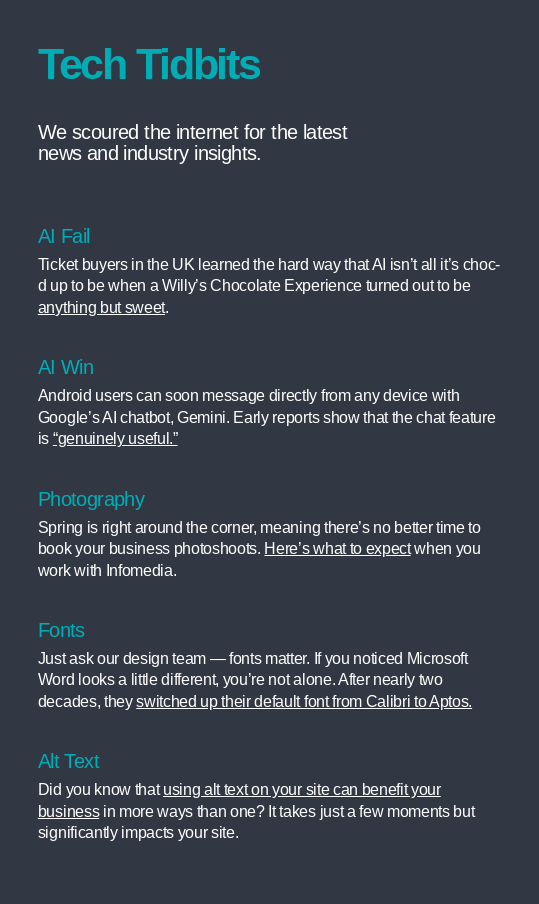
Everything has a time and place. Margarita Mondays? Keep that to your social channels, not your newsletter. Inboxes are jam packed, meaning you need to provide value to stand out in the crowd. That’s why I leaned into timely and relevant topics for our “Tech Tidbits,” a section designed to provide quick, digestible insights that matter to our readers.
Example:
AI fatigue is real. Everyone has heard the same take on AI: “It’s ruining society!” or “It’s saving society!” Rinse and repeat. Instead of more of the same, I wrote an AI framework outlining how Infomedia uses AI. It ended up being one of our highest-clicked newsletter links to date.
Research, Research, Research
Successful content marketing is a blend of data-driven insights and trying new things. Data helps you know what worked in the past and provides a foundation for informed decision-making — but it’s only part of the equation. The other part is adaptation: testing new ideas, refining messaging, and keeping content fresh to stay ahead of audience expectations.
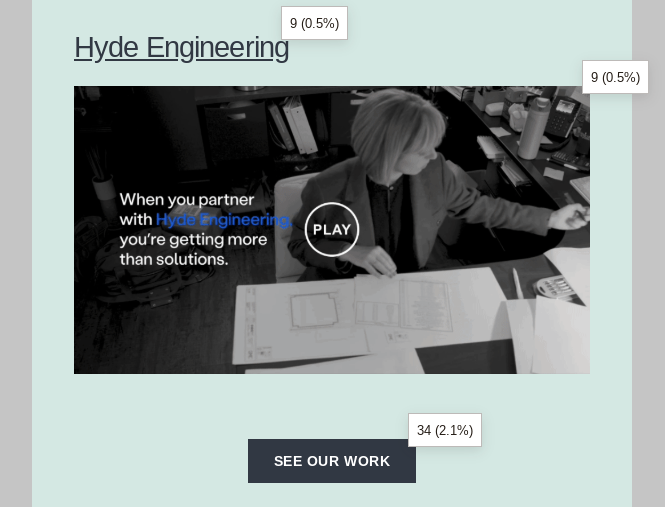
I start each newsletter by looking at past performance metrics. What worked? What didn’t? Are people clicking on images or text? All of this impacts what goes into the next newsletter.
For inspiration and new ideas, I subscribe to other newsletters. I read articles from industry leaders about best practices and changing trends. You can never learn too much.
Keeping the Audience in Mind
CEOs and decision-makers have a surplus of emails and a shortage of time. The first challenge is to get them to open your email instead of sending it straight to the trash. That starts with a great, attention-grabbing subject line.
Once I got our audience to open our email, I needed them to actually read it. That means little to no fluff. I give each element of the newsletter a purpose, from easy-to-scan headers and short sentences to bullet points and clear CTAs.
Working With the Right People
I can’t claim all the credit for the newsletter’s success. It was a team effort, for sure. By working closely with other departments, I created something much stronger than I could have accomplished on my own.
- Sales: I collaborated with sales to ensure our content calendar highlighted key priorities, like end-of-year budgets or seasonal photoshoots.
- Marketing: The marketing team brought the technical expertise, managing email lists and analyzing the best send times to maximize reach.
- Design: It’s no secret that copy and design must work together for either to succeed. We shifted from MailChimp templates to fully-customized newsletters exported from Figma. This approach helped us put our branding front and center and stand out in the inbox.
Lessons Learned
Unsubscribes are unavoidable. Our unsubscribe rate doubled from 0.14% to 0.28%. That sounds bad — I know. I asked myself, “The data shows that people enjoy the content and find value in it. But then why are some unsubscribing?”
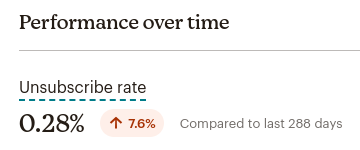
I finally found the answer — well, two answers. One, people were actually opening our emails. Of course, your unsubscribe rate will go up when your open rate goes up. The second reason for unsubscribing? The people who were unsubscribing weren’t our ideal audience. They didn’t find value in our newsletter — because we weren’t talking to them.