The Ask
One of the first things I do when meeting with new clients is ask a handful of basic questions to inform their content strategy. Things like:
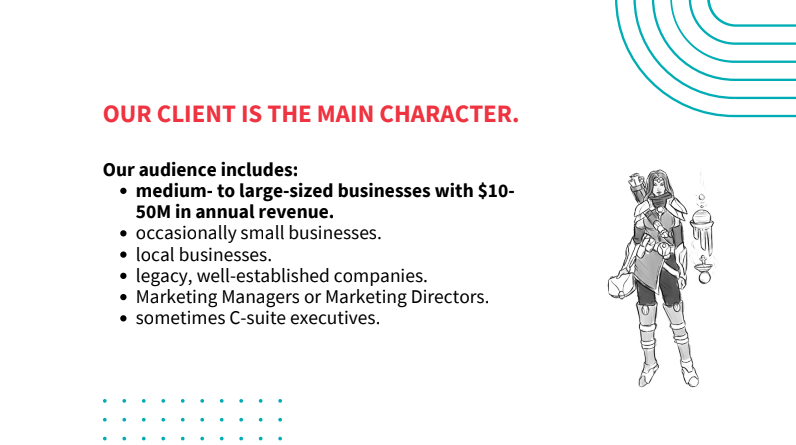
- Who is your audience?
- What do you do?
- What makes you different from your competitors?
More often than not, I was met with long pauses, inconsistent answers, or complete uncertainty. Without clarity, the entire content phase struggled — from strategy to execution.
I needed a way to get every project on track from day one. Bonus points if I could give teams the tools to stay aligned long after their website launched.
The Results
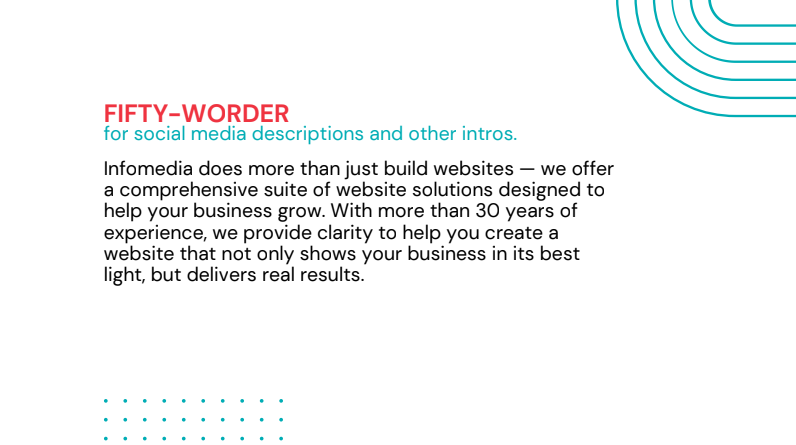
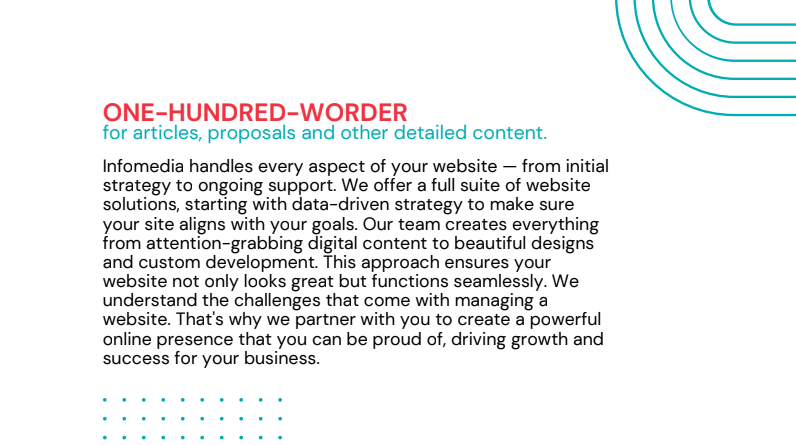
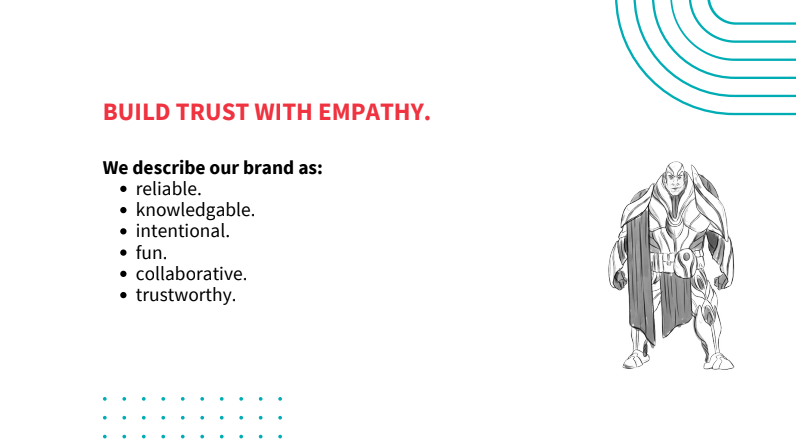
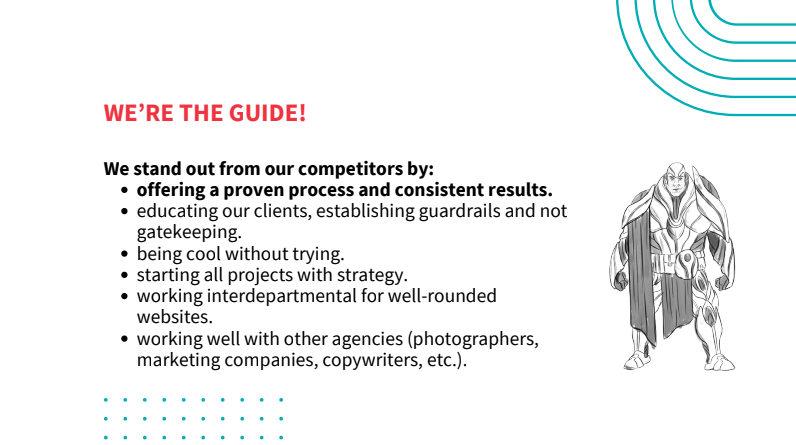
I created a fully interactive brand voice workshop. The deliverable was a practical, easy-to-use guide that helps teams stay on message, no matter who is behind the keyboard.
The final guide gives them something they’ve (usually) never had before: a clear, consistent way to talk about who they are, what they do, and why it matters. All of this is tailored to their specific audience and packaged in a way that they can actually use. In short, it makes it easy to speak with clarity and confidence, whether it is a freelancer, a new hire, or a seasoned staff member.
Why It Worked
Start With What You Know
I have nearly a decade of experience creating strategies and writing copy for business, so I started with the questions I ask during the discovery phase. But I knew that wasn’t enough to fully encapsulate everything this Brand Voice Guide needed to be. I leaned into my love of learning new things and read everything I could get my hands on about brand storytelling.
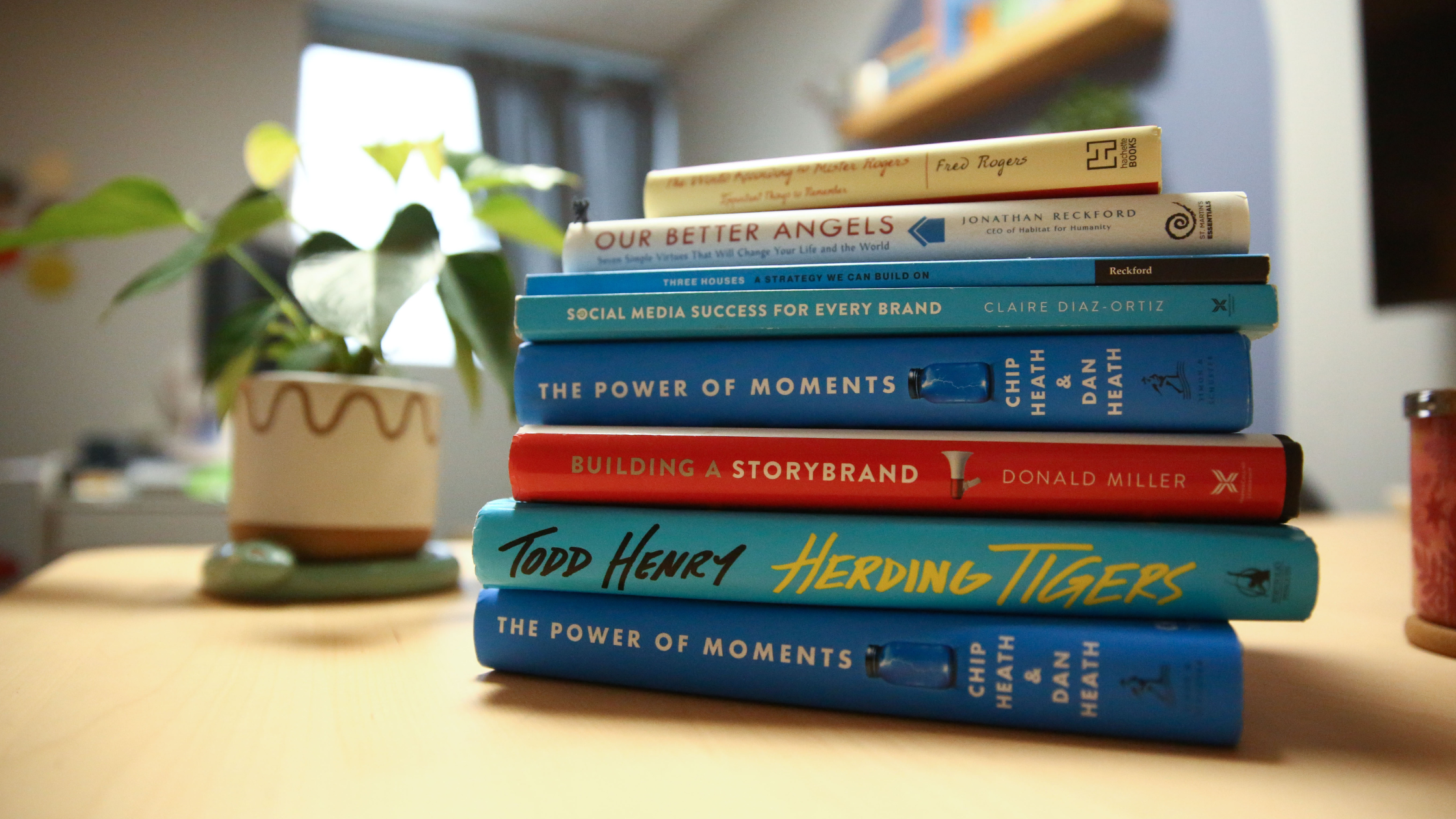
My reading list included:
- Power of Myth by Joseph Campbell
- StoryBrand and StoryBrand 2.0 – Donald Miller
- Podcast on F1 Brand Voice
- Start With Why by Simon Sinek
- Story – Robert McRee
- Various newsletters, like The Hustle, STFO, and Harry’s Newsletter
Brand Voice Has Multiple Applications
I knew this guide couldn’t just be for the website, because the website is only one piece of the brand. If the website content says one thing and everything else says something else, it isn’t serving the business or the audience. That’s why we started with high-level positioning that could be applied anywhere: website copy, social posts, blog, newsletters, scripts, sales emails, onboarding, and more.
Once your voice is defined, every message gets stronger — and easier to write.
Lessons Learned
Brand Voice Is More Than StoryBrand
A lot of businesses put all of their eggs in the StoryBrand basket. Don’t get me wrong, StoryBrand is great for what it is, especially if you’re starting from zero and looking for a DIY option. I’m not saying StoryBrand doesn’t work. I’m saying it isn’t enough. It’s too black and white. It lacks nuance and context.
With this workshop and guide, I wanted to look at the business as a whole, its long-term goals, and how messaging can grow with it. The result is deeper, more flexible, and better suited to real-life content creation.